About Optical Spectrometer
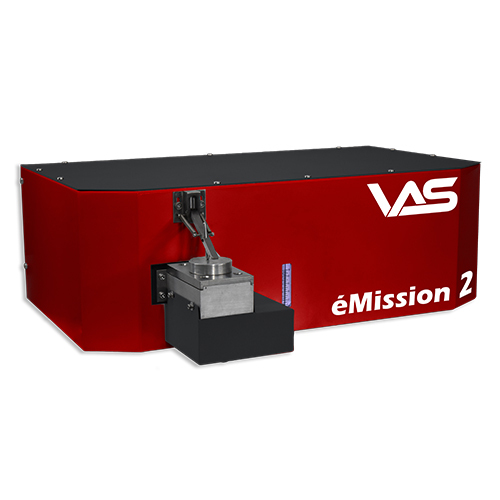
An Optical Spectrometer is a scientific instrument used to measure the intensity of light at different wavelengths across the optical spectrum. It provides quick results with high accuracy, which is crucial for applications requiring fast feedback, such as in quality control or environmental testing. These are widely used for the identification and quantification of chemical compounds in a variety of fields, including pharmaceuticals, environmental testing, and food and beverage industries. Optical Spectrometer is a versatile and essential tool used to analyze the light interaction with materials, providing valuable information about their composition, properties, and behavior.
| Wavelength Range |
160- 410nm |
| Optical System |
Single Beam |
| Model Name/Number |
VAS |
| Mobility |
Fixed |
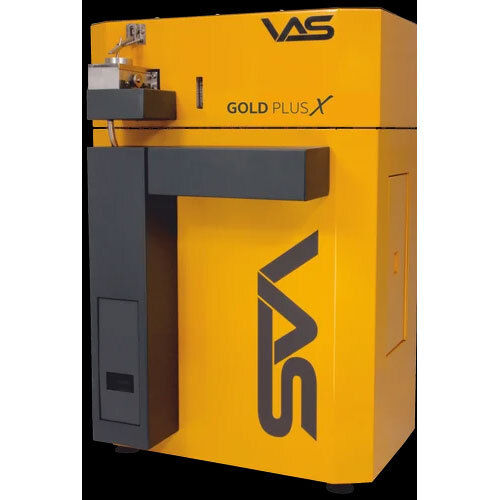
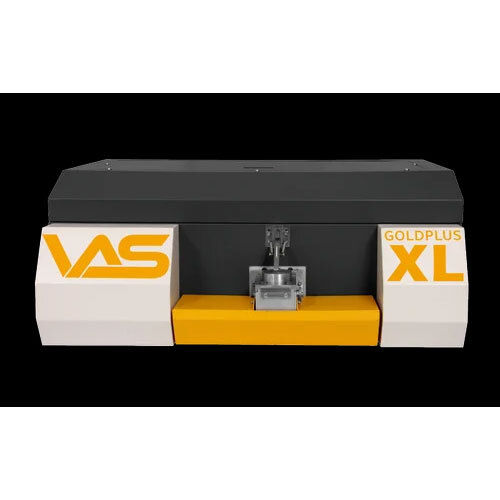
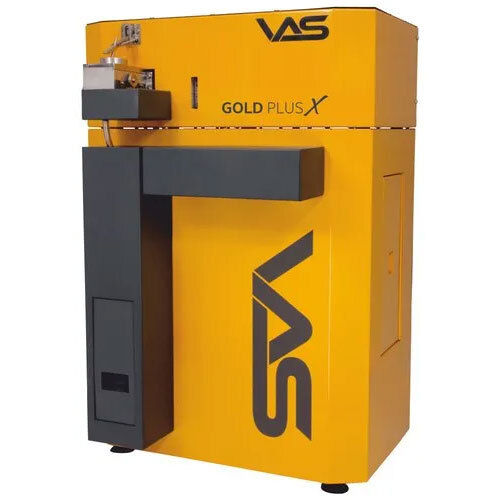
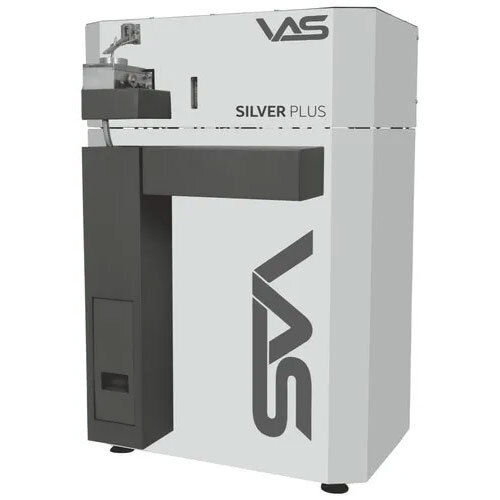
Precision Spectrum Analysis for Diverse ApplicationsThis Optical Spectrometer delivers high-resolution spectral analysis, ideal for use in educational labs, research facilities, and quality control settings. The system's high-precision glass prism ensures sharp spectral separation, while the adjustable slit width allows users to fine-tune measurements according to their needs. Factory calibration means reliable accuracy out of the box, yet users can verify performance for critical experiments or teaching demonstrations.
Durable and User-Centric ConstructionThe powder-coated metal housing is engineered for durability and dust resistance, making it suitable for demanding laboratory environments. The manual drum and analog index scale provide tactile and visual feedback, giving users complete control over the selected wavelength. The spring-loaded sample holder simplifies specimen placement and ensures secure, repeatable measurements during each test.
FAQ's of Optical Spectrometer:
Q: How do I select the desired wavelength with this spectrometer?
A: You can select the desired wavelength manually by rotating the drum, which is equipped with an index scale for precise adjustment. This allows you to target any wavelength across the 190 nm to 900 nm range with fine control.
Q: What types of light sources are compatible with this device?
A: The spectrometer is designed to work with external light sources such as tungsten, deuterium, or mercury lamps. These sources are not included and should be connected externally based on your experimental requirements.
Q: When should I verify the calibration, and how can it be done?
A: Although the spectrometer is factory-calibrated, periodic verification is recommended for accuracy, especially before critical measurements or after extended periods of use. Use the included calibration card and follow the steps in the instruction manual to check and verify performance.
Q: Where can this optical spectrometer be installed for optimal use?
A: This benchtop model is best placed on a stable laboratory table in an environment within the operational temperature range of 15C - 35C and humidity of 5%-85% RH, ensuring optimal performance and longevity.
Q: What is the process for measuring a sample's spectral properties?
A: Insert your sample into the spring-loaded holder, align it with the optical path, select the desired wavelength using the manual drum, and illuminate the sample with your chosen light source. Read the output spectrum from the analog scale or digital display, depending on the model.
Q: How does the adjustable slit width benefit my measurements?
A: The slit width, adjustable down to 0.05 mm, enables users to balance spectral resolution and light throughput. This allows for sharper peaks or enhanced signal intensity, depending on your analysis needs.
Q: What are the primary advantages of using this spectrometer in an educational laboratory?
A: Its manual controls, durable design, and high accuracy make it ideal for teaching fundamental spectroscopy concepts. Students gain hands-on experience with wavelength selection and spectral measurement, fostering a deeper understanding of optical analysis.






 English
 Spanish
 French
 German
 Italian
 Chinese (Simplified)
 Japanese
 Korean
 Arabic
 Portuguese
 Send Inquiry
 Send Inquiry

