About High End Optical Emission Spectrometer
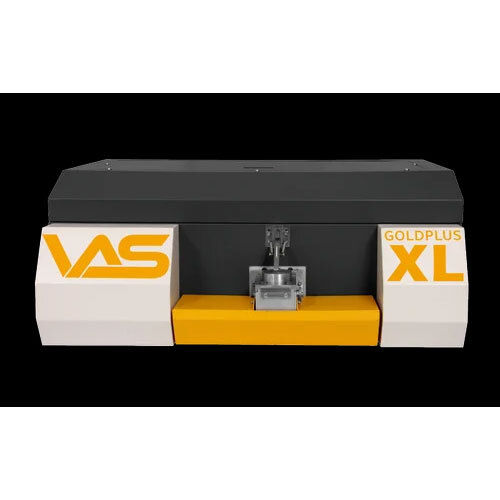
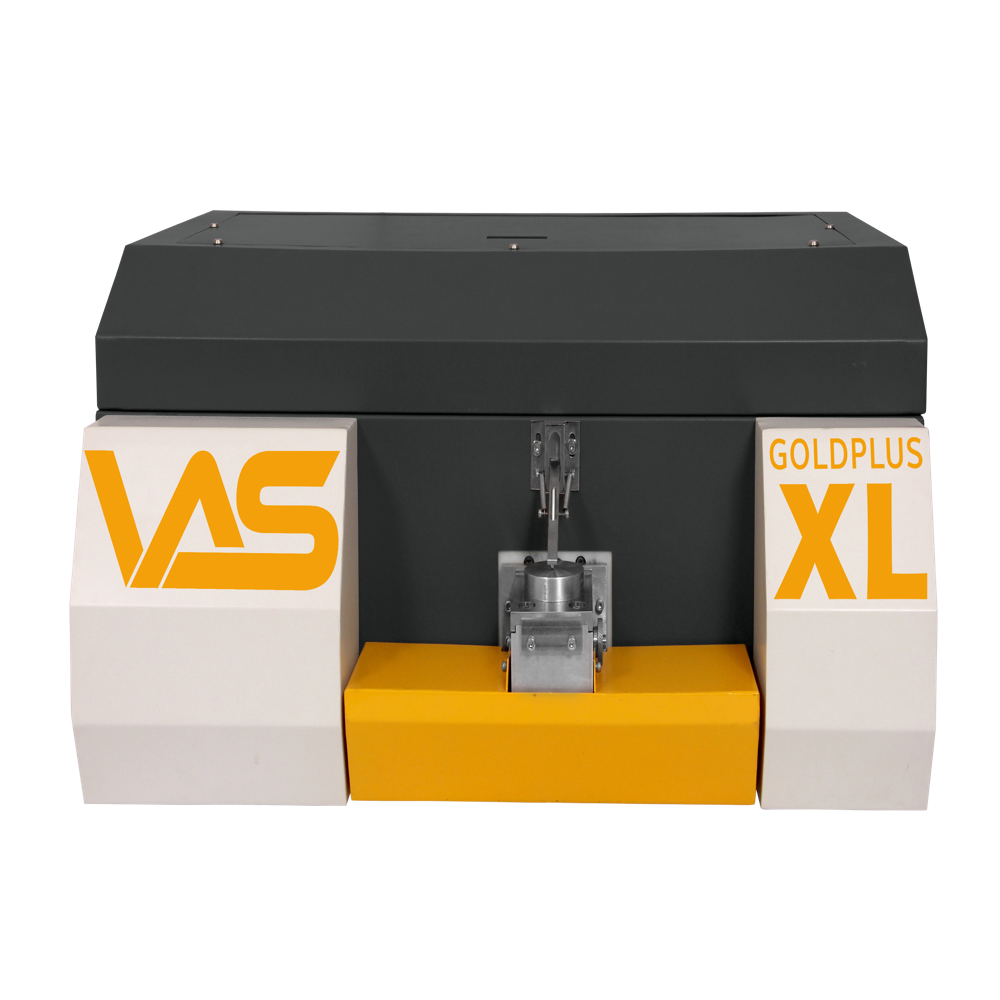
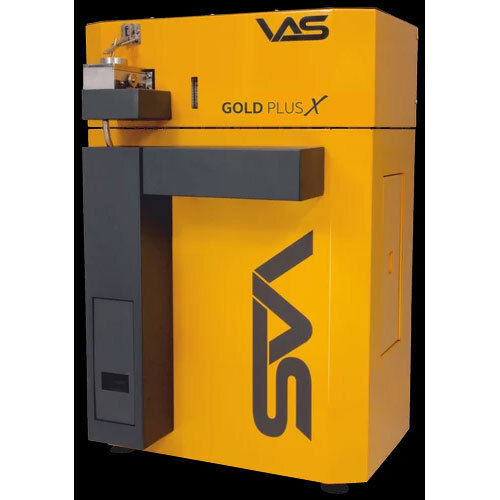
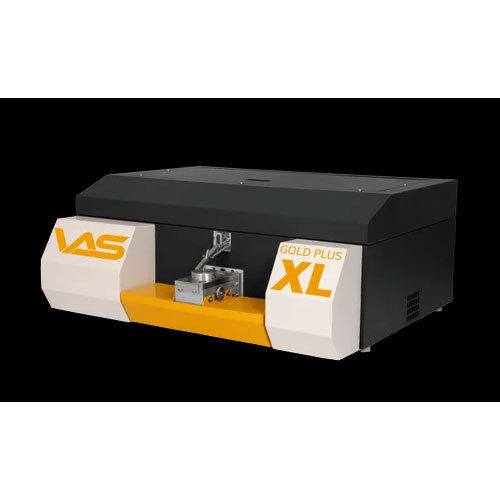
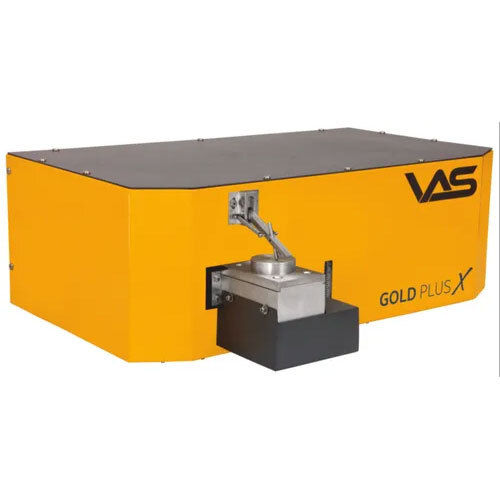
A High End Optical Emission Spectrometer is an advanced version of the optical emission spectrometer that offers enhanced performance greater accuracy and the ability to handle complex and precise elemental analysis across a wide range of materials They are designed to handle high workloads and tough conditions such as extreme temperatures or dusty environments These systems are typically used in demanding industrial applications highprecision laboratory environments and quality control processes where the detection of trace elements and a wide spectrum of elements is crucial High End Optical Emission Spectrometer offers exceptional capabilities for elemental analysis in a variety of industries
| Wavelength Range |
136 - 720mm |
| Optical System |
Single Beam |
| Mobility |
Fixed |
| Brand |
VAS Spectrometers Pvt Ltd |
| Weight |
45 kg |
| Voltage |
230 VAC |
| Usage/ Application |
Laboratory |
| Frequency |
50 Hz |
Advanced Detection TechnologyFeaturing a high-resolution CMOS detector and Paschen-Runge optical system, the spectrometer measures metal elements with unparalleled accuracy. Its spectral throughput exceeds 60,000 counts per second, allowing swift identification from trace levels (ppm) to major concentrations (percent), supporting diverse applications across industrial and research settings.
Seamless Calibration and OperationAuto-calibration and integrated standard reference samples eliminate tedious manual adjustments, ensuring consistent data quality. The user-friendly HD color touchscreen and advanced software facilitate real-time analysis, exportable in formats like Excel and PDF. Intelligent air cooling and a proximity lock enhance both performance and safety.
Flexible High-Speed Sample HandlingAccommodating up to 10 specimens per cycle, the spectrometers universal clamp supports various sample sizes (diameter 10-40 mm, height up to 30 mm). Multiple cycles per hour and high-speed test rates (up to 10 samples per minute) enable efficient workflows, ideal for busy industrial and research settings.
FAQs of High End Optical Emission Spectrometer:
Q: How does the spectrometer maintain high measurement accuracy across different elements?
A: The device utilizes auto-calibration with standard reference samples, a high-resolution CMOS detector, and a stable Paschen-Runge optical system. These features ensure accuracy better than 0.3%, even for trace elements or major concentrations.
Q: What is the process for analyzing metal samples using this spectrometer?
A: Simply mount the sample in the universal clamp (size range: 1040 mm diameter, up to 30 mm height), initiate the fully automated analysis via the touchscreen interface. The spark excitation source triggers detection, and instant results are displayed and stored for export.
Q: When should users perform calibration, and how is it accomplished?
A: Calibration is automatic and can be initiated via the software; it uses built-in standard reference samples. Users do not need manual calibration, ensuring reliable results and reducing setup time before analysis cycles.
Q: Where can this spectrometer be installed for optimal use?
A: Designed for benchtop mounting, it fits well in foundries, metal analysis labs, and research institutions with sufficient bench space and access to 220240V AC. Its advanced cooling and safety features make it suitable for industrial environments.
Q: What are the benefits of the intelligent air cooling system?
A: Intelligent air cooling ensures continuous stable operation by regulating the instruments temperature, accommodating ambient conditions from 10C to 40C and humidity up to 85% RH (non-condensing), ideal for demanding analytical tasks.
Q: How are data results managed and exported from the system?
A: The spectrometer stores over 10,000 results directly and supports data export in Excel and PDF formats via USB and Ethernet interfaces, streamlining reporting and traceability in analysis workflows.
Q: What safety measures does the system offer during operation?
A: A sample chamber proximity lock prevents operation unless the chamber is securely closed, minimizing risks. The automatic process and interlocks maintain user safety during high-voltage spark excitation tests.






 English
 Spanish
 French
 German
 Italian
 Chinese (Simplified)
 Japanese
 Korean
 Arabic
 Portuguese
 Send Inquiry
 Send Inquiry

